
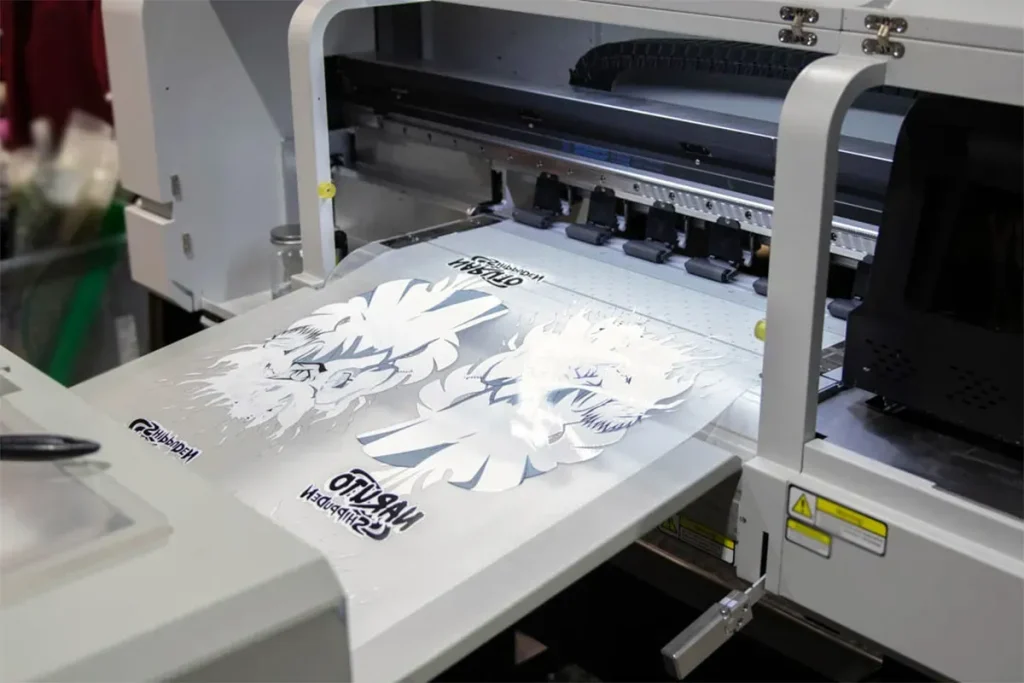
Exploring the cost efficiency of UV DTF printing opens up exciting opportunities for businesses in the printing sector. This innovative UV printing technology combines high-quality output with significant cost-saving benefits, making it increasingly attractive for a wide range of applications, from apparel to promotional materials. With an emphasis on minimizing operational costs and maximizing productivity, many companies are analyzing their printing investment to determine if UV DTF is the right choice for them. By understanding the financial implications, including initial investments and ongoing expenses, businesses can strategically position themselves to leverage the advantages of digital textile printing. As the demand for quick and customizable printing solutions grows, the cost efficiency of UV DTF printing stands out as a pivotal factor driving success in this evolving landscape.
Understanding the financial benefits of UV DTF technology is crucial for modern businesses looking to enhance their printing capabilities. This cutting-edge digital printing method not only delivers striking visuals but also promotes cost-effective practices that can streamline production. As enterprises evaluate their options in the world of high-quality printing, terms like direct-to-film (DTF) printing and cost-effective printing solutions frequently emerge in discussions. Businesses are increasingly prioritizing efficient and flexible printing investments that respond to the fast-paced market demands while minimizing overall expenses. By examining the cost implications associated with technologies like UV DTF, companies can make informed decisions that align with their growth strategies.
Analyzing the Initial Investment for UV DTF Printing
When evaluating the financial implications of UV DTF printing, understanding the initial investment is crucial. The eufyMake UV Printer, with a price tag of approximately $1,699, represents a significant entry point for small businesses entering the digital printing arena. This cost is often offset by the high-quality output and durability of UV DTF technology, making it an economically appealing choice for home-based operations and small print shops alike. As the market continues to shift towards digital solutions, this initial outlay can be seen as a strategic long-term investment.
Furthermore, this initial cost should not be viewed in isolation but as a part of a larger financial strategy. Potential users must conduct a printing investment analysis to compare UV DTF printing to traditional methods. While the upfront cost might be higher than other printing options like screen printing, the enhanced capabilities and reduced wastage can lead to greater cost-efficiency overall. This dynamic makes understanding the initial investment a vital part of the decision-making process, ensuring that businesses are poised to achieve both quality and financial success.
Operational Costs and Their Impact on Profitability
After the initial purchase of UV DTF printing equipment, businesses must account for ongoing operational costs that can influence overall profitability. These costs include ink, maintenance, and various supplies necessary for daily operations. As companies strive to manage these expenses, it’s critical to consider how they stack up against other printing techniques. For instance, while traditional screen printing might save on initial equipment investments, the follow-up costs—especially for ink—can rapidly outpace those associated with UV DTF technology.
Moreover, UV DTF printing allows for on-demand production, which can further enhance cost efficiency by minimizing waste and reducing excess inventory. This flexibility can lead to significant savings in both time and money, especially for businesses focused on producing smaller batches. By effectively managing operational costs associated with UV DTF printing, companies may not only sustain their profit margins but also enhance their competitive edge within the marketplace.
Market Trends in Digital Textile Printing
As the demand for sustainable and on-demand printing solutions grows, market trends indicate a strong shift toward digital textile printing technologies like UV DTF. The growing consciousness around environmental sustainability positions UV DTF printing as a front-runner in an industry that increasingly prioritizes eco-friendly practices. Companies that adopt these innovations can align themselves with consumer preferences for quality and responsibility, thus establishing themselves ahead of those using conventional printing methods.
This industry-wide embrace of UV printing technology highlights the necessity for businesses to adapt to changing market conditions. By leveraging UV DTF printing’s capabilities to produce high-resolution outputs while minimizing environmental impact, organizations not only fulfill their operational needs but also capture the interest of eco-minded consumers. These evolving market trends suggest that incorporating UV DTF printing could empower companies to enhance their brand appeal while effectively managing production costs.
Enhancing Quality and Speed in Printing
The pressure on printing companies to deliver both quality and speed is immense, and UV DTF printing technology stands out in meeting these demands. Companies like Sam’s DTF Transfers demonstrate the capabilities of UV DTF to significantly diminish production time while maintaining high-quality standards. This efficiency allows businesses to respond promptly to customer needs, which can be a pivotal factor in securing repeat business and fostering customer loyalty in an increasingly competitive marketplace.
Additionally, the rapid turnaround times associated with UV DTF printing do not compromise quality; rather, they enhance the service offering. By investing in this technology, businesses improve their overall productivity and the perceived value of their print services. When customers can reliably expect quick deliveries without sacrificing quality, it builds a reputation for excellence that is crucial for long-term success in the printing industry.
Versatility and Customization Opportunities of UV DTF Printing
One of the standout benefits of UV DTF printing is its remarkable versatility across different substrates, allowing for a broader range of products. This capability empowers printing businesses to cater to diverse market segments—from apparel and signage to promotional materials—ultimately strengthening their competitive position. By incorporating UV DTF technology, operators can explore new avenues and customer demands, vastly expanding their market reach.
Furthermore, the customization aspect associated with UV DTF printing can drive sales by enabling clients to request unique designs tailored specifically to their needs. In an era where personalization is increasingly valued, this technology empowers businesses to create bespoke products that resonate with consumers. This high degree of customization can differentiate a company from its competitors, making UV DTF printing a strategic investment that enhances both customer satisfaction and profitability.
Evaluating the Worth of Investing in UV DTF Technology
Deciding whether to invest in UV DTF printing technology requires a thorough evaluation of both initial and ongoing costs against the anticipated benefits. As discussed, while the upfront investment might seem daunting, the potential for future cost savings—particularly in ink consumption and waste reduction—points to a favorable return on investment. Conducting a comprehensive cost-benefit analysis is essential to ascertain whether this technology aligns with your business goals and market aspirations.
Moreover, the alignment of UV DTF printing capabilities with modern consumer demands strengthens the argument for investment. As the digital marketplace evolves, the demand for high-quality, customizable, and eco-conscious printed products will continue to rise. For businesses willing to commit to this innovative technology, the advantages—including enhanced efficiency, quality output, and broader market reach—could lead to not only fulfilling immediate financial goals but also ensuring sustainable growth in the years to come.
Frequently Asked Questions
What are the primary cost benefits of UV DTF printing compared to traditional printing methods?
UV DTF printing offers significant cost benefits over traditional printing methods by reducing operational costs through less ink wastage and lower maintenance expenses. Additionally, the durable prints require less frequent reprinting, which enhances cost efficiency for businesses.
How does the initial investment in UV DTF printing technology impact long-term profitability?
While the initial investment in UV DTF printing technology can be substantial, it is often offset by long-term savings through improved ink usage, reduced waste, and the ability to produce high-quality prints rapidly. This combination can lead to a stronger return on investment.
What are the operational costs associated with UV DTF printing?
Operational costs for UV DTF printing primarily include ink and maintenance expenses. However, these costs can be lower compared to traditional printing methods, especially for small batch jobs, because UV DTF printing minimizes material waste and enhances efficiency.
How does UV DTF printing contribute to sustainable and cost-saving printing practices?
UV DTF printing aligns with sustainable printing practices by utilizing less ink and reducing waste. This efficiency not only lowers operational costs but also appeals to environmentally-conscious consumers, making it a wise cost-saving printing choice for businesses.
Can UV DTF printing technology adapt to various substrates, and how does this affect cost efficiency?
Yes, UV DTF printing technology can print on a wide variety of substrates, enhancing its versatility. This adaptability allows businesses to cater to diverse customer needs without additional equipment purchases, thereby improving cost efficiency and opening new markets.
What factors should businesses consider when analyzing the cost efficiency of UV DTF printing?
When evaluating the cost efficiency of UV DTF printing, businesses should consider initial equipment costs, ongoing operational expenses, potential savings from reduced waste, market demand for customized products, and the technology’s ability to produce high-quality prints quickly.
| Key Points | Description |
|---|---|
| Introduction | UV DTF printing has gained attention for its cost efficiency and versatility. |
| Initial Investment | Equipment like the eufyMake UV Printer costs around $1,699 but may lead to long-term savings. |
| Operational Costs | Ongoing costs include ink, maintenance, potentially lower than traditional methods. |
| Market Trends | The digital textile printing market is growing, emphasizing on-demand and sustainable practices. |
| Speed and Quality | UV DTF printing provides quick turnaround and high-quality outputs, improving customer satisfaction. |
| Customization and Versatility | Can print on various substrates, attracting diverse markets and enhancing profitability. |
Summary
Cost efficiency of UV DTF printing is a key consideration for businesses seeking to modernize their operations. By investing in UV DTF technology, companies can achieve a balance between high-quality outputs and effective cost management. This printing method not only mitigates expenditure on materials and labor but also responds to the increasing market demand for sustainable and customizable printing solutions. Ultimately, the investment in UV DTF printing technology can lead to increased customer satisfaction and profitability, establishing a competitive edge in the evolving printing industry.