
If you've ever searched for DTF printing services, you know how overwhelming the options can be. You want quality, speed, and convenience, all without compromising your budget. Whether you're a small business owner creating custom apparel or a hobbyist designing unique gifts, finding the right DTF transfers can make or break your project. The good news? You don't have to settle for mediocre results. With a little know-how, you can locate a provider that delivers vibrant, durable transfers that feel professional. In this guide, I'll walk you through the process of finding the best DTF transfers near me, what to consider before you commit, and how to ensure every print looks flawless.
Understanding DTF Transfers
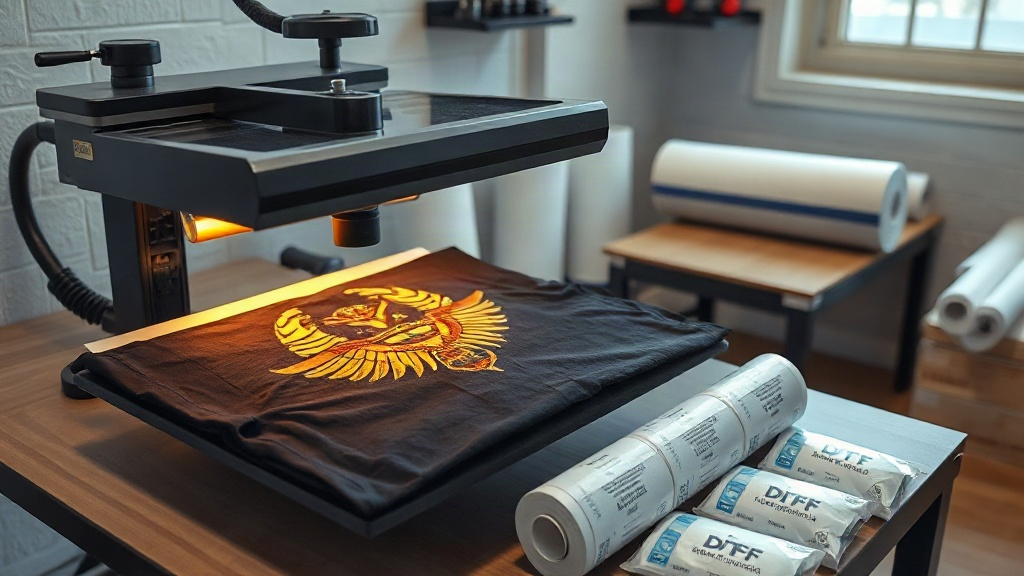
Direct-to-film (DTF) printing is a technique where designs are printed onto a special film, coated with adhesive powder, and then heat-pressed onto fabric. Unlike traditional screen printing, DTF allows for intricate, full-color designs with no minimum order quantities. It works on a variety of materials, including cotton, polyester, blends, and even leather. The result is a soft, stretchable print that withstands repeated washing.
One of the biggest advantages of DTF is its versatility. You can print small batches or single items without worrying about setup costs. For small businesses, this means offering custom products without holding large inventory. For individuals, it opens up possibilities for personalized gifts or team uniforms. But the quality of your final product heavily depends on the expertise of the printer you choose. That's why it's crucial to find a provider who understands the nuances of DTF technology.
Why Location Matters When Choosing DTF Services
When you type DTF transfers near me into a search engine, you'll get a list of nearby shops and online services. But why bother with a local provider when you can order from anywhere? The answer lies in several practical benefits:
- Turnaround Time: Working with a local printer often means faster delivery. You can even pick up your transfers in person if you're in a rush.
- Quality Control: Visiting the facility lets you see the equipment and ask about their process. You can request samples before placing a large order.
- Support Local Economy: Choosing a nearby business helps your community thrive and fosters a relationship with someone who can offer personalized advice.
- Problem Resolution: If something goes wrong, you can address it directly without dealing with shipping delays.
Of course, online services can be convenient, especially if you're ordering in bulk and have time to wait. But for many, the peace of mind that comes from face-to-face interaction is invaluable.
Key Factors to Consider When Choosing a DTF Provider
Not all DTF printers are created equal. To ensure you get the best DTF transfers, you need to evaluate potential providers on several criteria:
Quality of Prints
The most obvious factor is print quality. Look for vibrant colors, sharp details, and smooth gradients. Ask to see physical samples or request a test print. A reputable provider will gladly show off their work. Also, check for issues like color bleeding, white underbase visibility, or poor adhesion.
Material Compatibility
Different fabrics require different handling. For instance, polyester can be tricky because the adhesive powder needs to melt at the right temperature to avoid scorching. A good provider will know how to adjust settings for each material. Ask about their experience with the type of fabric you plan to use.
Pricing Structure
Pricing can vary widely depending on the number of colors, size of the transfer, and quantity. Some printers charge per square inch, while others have a flat rate per transfer. Make sure you understand the pricing model and ask for a detailed quote. Be wary of unusually low prices, as they might indicate inferior materials or rushed work.
Turnaround Time
How quickly do you need your transfers? If you're on a deadline, ask about their current workload and express delivery options. Many local shops can accommodate rush orders for an extra fee. Just be sure to clarify the timeline before committing.
Customer Support
Good communication is essential. You want a provider who answers your questions promptly and offers helpful advice. Whether it's about file setup or choosing the right film, a knowledgeable team can save you from costly mistakes.
How to Search Effectively for Local DTF Services
Finding the right provider involves more than just a quick search. Here's a step-by-step approach to narrow down your options:
- Start with a Search: Use keywords like DTF transfers near me or "DTF printing in [your city]" to generate a list of candidates.
- Check Reviews: Look for testimonials on Google, Yelp, or social media. Pay attention to comments about quality, reliability, and customer service.
- Visit Their Website: A professional website often indicates a professional business. Look for a portfolio of their work, pricing info, and clear contact details.
- Ask for Samples: Before placing a large order, request a sample pack. This allows you to test the print quality and see how it handles washing.
- Compare Quotes: Get quotes from at least three providers. Compare not just prices but also the services included, such as design assistance or free shipping.
Remember, the cheapest option isn't always the best. Factor in the value you're getting for your money.
Red Flags to Watch Out For
While most DTF providers are honest and skilled, there are a few warning signs you should not ignore:
- Unrealistic Promises: If a printer guarantees perfect results on every fabric without seeing your design, be skeptical.
- Lack of Transparency: If they can't explain their process or answer technical questions, they might be cutting corners.
- No Physical Address: A business that operates only online might be fine, but ensure they have a verifiable presence.
- Negative Reviews: Consistently poor feedback about quality or customer service is a clear signal to look elsewhere.
Preparing Your Files for the Best Results
Once you've chosen a provider, you'll need to submit your artwork. Proper file preparation is key to achieving the best outcome. Here are some tips:
Use High-Resolution Images
Your design should be at least 300 DPI at the final print size. Low-resolution images will appear pixelated and unprofessional.
Choose the Right File Format
Most printers accept PNG files with transparent backgrounds or vector files like AI or EPS. Avoid JPEGs, as they compress and lose quality.
Consider Color Management
What you see on your monitor might not exactly match the printed colors. Ask your printer about their color profiles and whether they offer color matching services.
Include a White Underbase
In DTF printing, a white layer is applied underneath the design to make colors pop on dark fabrics. Ensure your file includes this layer, or confirm that the printer will add it automatically.
Frequently Asked Questions
What is the difference between DTF and DTG printing?
DTG (direct-to-garment) printing uses inkjet technology to print directly onto the fabric, while DTF prints onto a film that is then transferred. DTF is more versatile in terms of fabric compatibility and doesn't require pre-treatment, making it easier for small batches.
How long do DTF transfers last?
With proper care, DTF transfers can last for years. They are designed to withstand multiple washes without fading or cracking. However, the durability depends on the quality of the materials and the heat press process.
Can I use DTF transfers on any fabric?
DTF works well on cotton, polyester, blends, and even leather. It's not suitable for very stretchy materials like spandex, as the transfer may not flex with the fabric. Always test on a small piece first.
What is the minimum order quantity for DTF transfers?
One of the great advantages of DTF is that you can order just a single transfer. There are no setup fees, making it ideal for small projects.
How do I care for garments with DTF transfers?
Wash garments inside out in cold water and tumble dry on low. Avoid using bleach or fabric softeners. Iron on the reverse side or use a pressing cloth to protect the design.
Conclusion
Finding the perfect DTF transfers near me doesn't have to be a daunting task. By understanding what makes a quality transfer, knowing what to look for in a provider, and preparing your files correctly, you can ensure your custom apparel stands out. Take the time to research local options, ask for samples, and build a relationship with a printer you can trust. The effort you invest upfront will pay off in the form of stunning, durable prints that impress your customers or delight your gift recipients. So go ahead, start your search today, and bring your creative visions to life with confidence.