
If you run a custom apparel business, you know that production costs and turnaround times can make or break your margins. Traditional screen printing requires separate screens for each color and design, which quickly adds up in time and money. That's where DTF gangsheet printing comes in. By grouping multiple designs into a single transfer film, you can produce a wide variety of garments efficiently and affordably. In this guide, we'll explore what a DTF gangsheet is, why it's a game-changer for small and large shops alike, and how you can leverage it to boost your profits.
What Is a DTF Gangsheet?
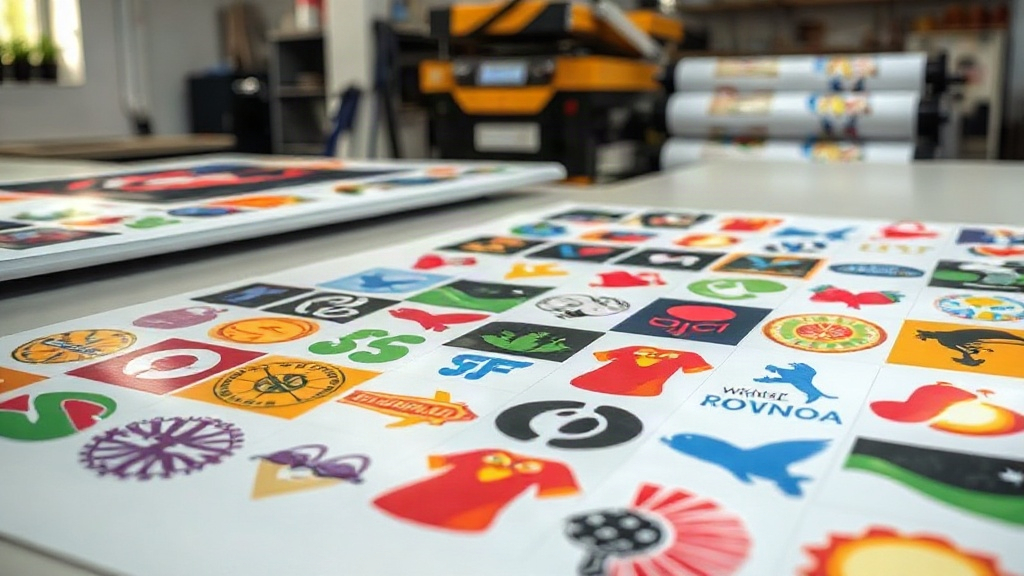
A DTF gangsheet is a single sheet of transfer film that contains multiple DTF (Direct-to-Film) prints arranged together. Instead of printing each design individually, you gang them up on one large sheet, hence the name. This method maximizes the use of the film and ink, reducing waste and cost per print. Once printed, the sheet is powdered with hot-melt adhesive, cured, and then can be cut into individual transfers or applied as a whole for larger designs.
The beauty of DTF gangsheet printing lies in its flexibility. You can mix different sizes, colors, and designs on the same sheet, making it ideal for small batch orders, sample packs, or even full production runs. It's a perfect fit for print-on-demand shops, sports teams, corporate orders, and anyone who needs high-quality, durable prints on various fabrics.
Why Choose DTF Gangsheet Printing?
There are several compelling reasons to incorporate DTF gangsheet printing into your workflow. Let's break down the key benefits.
Cost Efficiency
By consolidating multiple designs onto one sheet, you drastically reduce the amount of wasted film and ink. Traditional DTF printing often leaves unused space around each design, but with gangsheets, you can nest designs tightly together. This means more prints per roll of film, lowering your material costs. Additionally, you save on labor since you handle one sheet instead of many small ones.
Time Savings
Time is money, and DTF gangsheet printing saves both. Instead of running multiple print jobs, you prepare one file and print once. The subsequent steps—powdering, curing, and cutting—are also streamlined. For busy shops, this can mean the difference between meeting a deadline and missing it.
Versatility
DTF transfers adhere to a wide range of fabrics, including cotton, polyester, blends, and even nylon. Unlike screen printing, you don't need different inks or processes for different materials. A single DTF gangsheet can contain designs destined for various garment types, simplifying your inventory and production planning.
High-Quality Prints
Modern DTF printers produce vibrant, detailed prints with excellent wash durability. The prints stretch with the fabric, resist cracking, and maintain color intensity over time. When you gang multiple designs, you ensure consistent quality across the board because they all go through the same printing and curing process.
How to Create an Effective DTF Gangsheet
Creating a gangsheet isn't just about throwing designs together. A little planning goes a long way. Here are some best practices to follow.
1. Plan Your Layout
Use design software to arrange your designs on the sheet. Leave a small gap between each to allow for cutting. Consider the orientation of each design to minimize wasted space. Rotating designs can often help them fit better.
2. Group Similar Jobs
If you have multiple orders that use the same film type and settings, combine them into one gangsheet. This reduces setup time and material waste. For example, if you have several small logo prints for left-chest applications, gang them together.
3. Mind the Margins
DTF printers have printable margins. Ensure your designs stay within the printable area to avoid cut-off prints. Also, leave enough border for the film to be handled without touching the printed areas.
4. Optimize for Cutting
If you plan to cut the transfers by hand, add cut lines or space designs adequately. For automated cutters, include registration marks or barcodes if your cutter supports them. This speeds up the cutting process and reduces errors.
5. Test and Adjust
Before committing to a full sheet, do a test print with a few designs to check color accuracy, adhesion, and overall quality. Adjust your printer settings, ink levels, and powder application as needed.
DTF Gangsheet vs. Traditional DTF Printing
You might wonder how gangsheet printing differs from standard DTF printing. In essence, it's the same technology, but the gangsheet approach optimizes the process for multiple designs. Traditional DTF printing often involves printing one design at a time, which is fine for large orders of a single design but inefficient for small, varied orders. Gangsheets shine when you need to produce many different designs quickly and cost-effectively.
Another advantage is that gangsheets allow you to offer more products without increasing your overhead. You can print a variety of designs, keep them in stock, and apply them to garments as orders come in. This agility is invaluable in today's fast-paced custom apparel market.
Common Mistakes to Avoid
Even experienced printers can make mistakes with gangsheets. Here are some pitfalls to watch out for.
- Overcrowding: Packing designs too tightly can make cutting difficult and increase the risk of damaging prints. Leave a little breathing room.
- Ignoring Film Type: Not all DTF films are created equal. Using the wrong film for your printer can lead to poor adhesion or color issues. Always use quality film designed for your printer.
- Inconsistent Powdering: Too much or too little adhesive powder can ruin a whole sheet. Invest in a good powder shaker and maintain consistent technique.
- Skipping Curing: Proper curing is essential for wash durability. Don't rush this step. Use a heat press or conveyor dryer according to the manufacturer's guidelines.
- Poor Color Management: Colors may look different on screen than on film. Use ICC profiles and calibrate your printer regularly.
Applications of DTF Gangsheets
The versatility of DTF gangsheet printing opens up a world of possibilities. Here are just a few applications:
- Custom T-shirts: Print multiple designs for different customers on one sheet.
- Sports Teams: Create numbered jerseys and logos for an entire team efficiently.
- Corporate Uniforms: Add company logos to shirts, jackets, and bags in one go.
- Promotional Items: Produce small batches of branded merchandise for events.
- E-commerce: Fulfill online orders quickly by having a stock of pre-printed transfers.
Maximizing Profits with DTF Gangsheets
To truly benefit from DTF gangsheet printing, you need to integrate it into your business strategy. Here are some tips to maximize your profits.
Offer Volume Discounts
Since gangsheets reduce your cost per print, you can afford to offer competitive pricing on bulk orders. Pass some savings to your customers and watch your order sizes grow.
Reduce Turnaround Time
Fast turnaround is a major selling point. With gangsheets, you can produce orders quicker, which means happier customers and more repeat business.
Expand Your Product Line
Because DTF works on many fabrics, you can branch into new products like tote bags, hats, and activewear. Gangsheets make it easy to test new markets without heavy investment.
Keep Inventory Lean
Instead of stocking pre-printed garments, keep a library of DTF transfers. When an order comes in, just press the transfer onto the garment. This reduces inventory costs and allows for more customization.
Frequently Asked Questions
What is a DTF gangsheet used for?
A DTF gangsheet is used to print multiple designs on a single sheet of transfer film. It's ideal for producing small batches of various designs efficiently, reducing material waste and production time.
How many designs can I fit on one gangsheet?
The number depends on the size of each design and the size of your film. You can fit as many as possible as long as they don't overlap and stay within the printable area. Planning software helps maximize the count.
Can I use a DTF gangsheet for dark and light fabrics?
Yes, DTF transfers work on both dark and light fabrics. The white ink layer in DTF printing provides opacity on dark garments, while on light fabrics, it enhances color vibrancy.
How do I cut a DTF gangsheet?
You can cut it manually with scissors or a craft cutter, or use a vinyl cutter with a laser pointer for precision. For large volumes, consider a flatbed cutter with registration mark reading.
What is the shelf life of DTF transfers?
When stored properly in a cool, dry place away from direct sunlight, DTF transfers can last up to 6-12 months. Always follow the manufacturer's recommendations for best results.
Final Thoughts
DTF gangsheet printing is a powerful tool for any custom apparel business looking to cut costs, save time, and expand their offerings. By mastering the art of gangsheet creation and integrating it into your workflow, you can stay ahead of the competition and deliver exceptional products to your customers. Start experimenting with gangsheets today and watch your efficiency soar.