
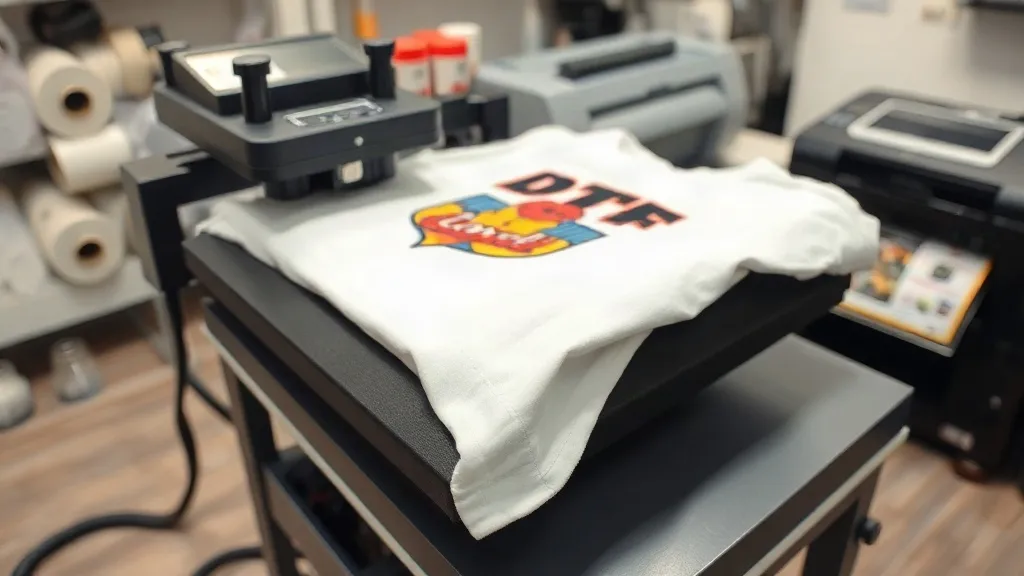
You've probably heard the hype: dtf transfers are versatile, vibrant, and easy to use. But if you've been printing for a while, you know that even the most forgiving technology has its pitfalls. The difference between a print that survives fifty washes and one that peels after five often comes down to a handful of subtle errors. In this article, we're not going to rehash the basics. Instead, we'll expose the seven costly mistakes that quietly sabotage dtf prints in small shops and home studios. Whether you're just starting out or looking to tighten your process, these insights will help you save money, reduce waste, and deliver the professional results your customers expect.
Mistake 1: Ignoring Fabric Composition and Weave
DTF transfers are famously adaptable, but that doesn't mean every fabric behaves the same. A common blunder is assuming that because DTF works on cotton, polyester, and blends, you can treat all garments identically. In reality, fabric composition and weave dramatically affect adhesion, stretch, and durability.
For example, a 100% cotton shirt with a tight weave may require a slightly longer press time than a loose-knit polyester blend. Synthetic fabrics can be sensitive to high heat, causing the transfer to scorch or the fabric to shrink. And stretchy materials like spandex blends demand a powder that flexes with the fabric, otherwise you'll see cracking along the edges after a few wears.
Before you press, always check the garment's care label and test a small area if possible. Adjust your press temperature, pressure, and time accordingly. Keeping a log of settings for different fabrics will save you from costly trial and error.
Mistake 2: Skimping on Powder Application
The adhesive powder is the unsung hero of dtf printing. Too little powder and the transfer won't bond properly, leading to peeling or fading after washing. Too much powder and you'll get a stiff, crusty texture that feels unprofessional and may clog your printer.
Many beginners make the mistake of sprinkling powder haphazardly or using a shaker with large holes. The key is even distribution. Use a fine-mesh shaker and apply a light, consistent layer over the wet ink. Then shake off the excess gently. You want the powder to adhere to the ink, not pile up on the film.
Investing in a dedicated powder shaker and a small scale to measure powder usage can help you maintain consistency. Remember, the powder should melt into a smooth, flexible layer when cured, not a thick crust.
Mistake 3: Overlooking Humidity and Storage Conditions
DTF film and powder are sensitive to moisture. If you live in a humid climate or store your supplies in a damp basement, you're asking for trouble. Moisture can cause the powder to clump, leading to uneven application and poor adhesion. The film itself can absorb moisture, resulting in curling, misfeeds, or smeared prints.
Store unopened film in its original packaging with desiccant packs. Once opened, keep the roll in a sealed bag or container. For powder, use an airtight container and consider adding silica gel packets. If you're in a particularly humid area, a dehumidifier in your workspace can make a world of difference.
Also, avoid storing printed transfers in humid conditions before pressing. Press them within a few days for best results, or store them in a cool, dry place.
Mistake 4: Using the Wrong Press Settings
Temperature, pressure, and time are the holy trinity of successful DTF transfers. Get one wrong and you'll see problems ranging from poor adhesion to scorched fabric. Yet many printers rely on generic settings or guesswork.
Here's a starting point: most DTF transfers require a temperature between 300°F and 340°F (150°C to 170°C). Pressure should be medium to firm, and time typically ranges from 10 to 20 seconds, depending on the fabric and transfer size. But these are just guidelines. Always perform a test press on a scrap garment to dial in the perfect settings for your specific equipment and materials.
Invest in an infrared thermometer to verify your press's actual temperature, as dials can be inaccurate. And don't forget to account for the thickness of the transfer and the garment when setting pressure.
Mistake 5: Peeling at the Wrong Temperature
One of the most common questions we hear is, "Should I peel hot or cold?" The answer depends on the film you're using. Some DTF films are designed for hot peel, while others require the transfer to cool completely before peeling. Peeling at the wrong temperature can cause the design to crack, stretch, or leave adhesive residue on the film.
Always check the manufacturer's instructions for your specific film. If you're unsure, test a small transfer. As a rule of thumb, hot peel films are peeled immediately after pressing while still warm, whereas cold peel films need to cool down for at least a minute. Rushing this step is a surefire way to ruin an otherwise perfect print.
Mistake 6: Neglecting Post-Press Care
You've pressed the transfer, it looks great, and you're ready to hand it to the customer. But how you handle the garment immediately after pressing can affect long-term durability. For instance, stacking freshly pressed items while they're still hot can cause the transfer to stick to itself or to other garments, leading to peeling or distortion.
Allow garments to cool completely on a flat surface before folding or stacking. Also, avoid washing the garment for at least 24 hours after pressing to give the adhesive time to fully cure. When washing, turn the garment inside out and use cold water. Avoid fabric softeners and bleach, which can break down the adhesive over time.
Educating your customers on proper care extends the life of your prints and reduces complaints.
Mistake 7: Buying Cheap Supplies
We get it: margins are tight, and it's tempting to save a few bucks on film or powder. But low-quality supplies are a false economy. Cheap film may curl, jam your printer, or produce dull colors. Inferior powder can lead to poor adhesion, excessive stiffness, or even clogged nozzles.
Invest in reputable brands and suppliers. If you're looking for reliable dtf transfers near me, do your research. Read reviews, ask for samples, and compare. A slightly higher upfront cost often pays off in fewer rejects, less downtime, and happier customers.
Remember, your reputation is built on the quality of your prints. Don't let a few cents per sheet compromise your business.
Frequently Asked Questions
Can I use DTF transfers on dark and light fabrics equally?
Yes, DTF transfers work on both dark and light fabrics because the white ink layer provides opacity. However, you may need to adjust your color profiles slightly to ensure accurate color reproduction on different backgrounds. Always test on the actual fabric for critical jobs.
How long should I wait before washing a garment with a DTF transfer?
Wait at least 24 hours after pressing before washing. This allows the adhesive to fully cure and bond with the fabric. For best results, wash inside out in cold water and avoid harsh chemicals.
What causes DTF transfers to crack after washing?
Cracking usually stems from insufficient pressure, incorrect temperature, or using too little powder. It can also happen if the transfer is stretched during peeling or if the garment is washed in hot water. Ensure proper press settings and follow care instructions.
Do I need a special printer for DTF transfers?
Yes, DTF printing requires a printer that uses DTF ink and a film. You can convert some inkjet printers, but dedicated DTF printers are recommended for consistent results. Alternatively, you can buy pre-printed transfers from a supplier.
How should I store unused DTF film and powder?
Store film in a cool, dry place away from direct sunlight, ideally in a sealed bag with desiccant. Keep powder in an airtight container to prevent moisture absorption. Proper storage prevents clumping and ensures smooth application.