
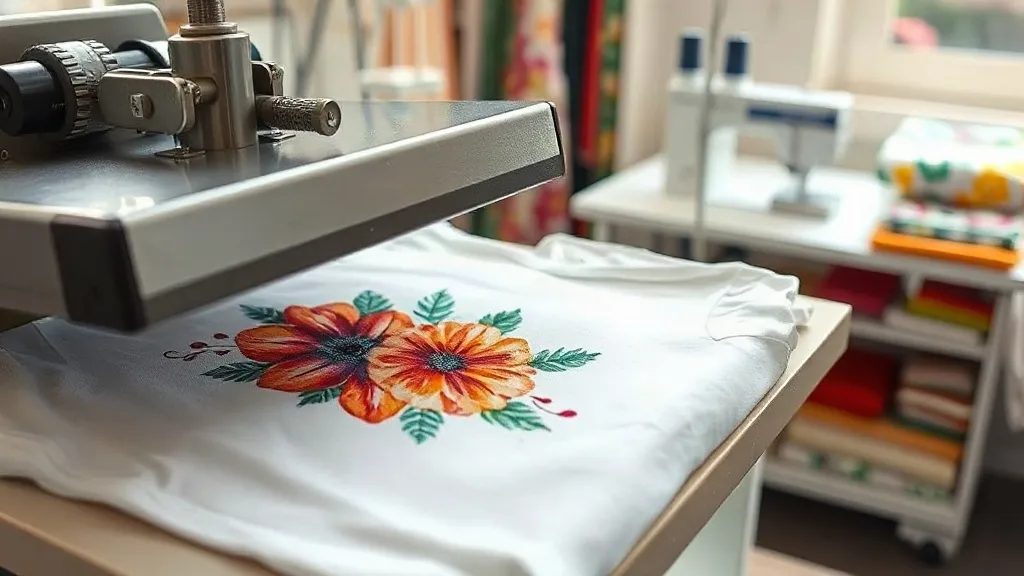
If you've ever wanted to print a design on a T-shirt, tote bag, or hoodie without the hassle of traditional screen printing, dtf transfers might be exactly what you're looking for. Direct-to-film, or dtf, is a digital printing method that transfers your artwork onto a special film, which is then heat-pressed onto fabric. Unlike other methods, DTF works on almost any material, including cotton, polyester, blends, and even nylon. In this guide, we'll walk you through the entire process, from preparing your design to caring for the finished product, so you can achieve professional results at home or in your shop.
What Are DTF Transfers and How Do They Work?
DTF transfers are created by printing your design onto a PET film using specialized inks. The process involves printing a mirror image of your design, followed by a layer of adhesive powder. Once the powder is melted, the transfer is ready to be applied using a heat press. The film is placed on the fabric, pressed, and then peeled away, leaving your design bonded to the fabric. This method is popular because it doesn't require pre-treatment of the fabric and works on a wide range of materials.
Why Choose DTF Transfers Over Other Printing Methods?
There are several reasons why DTF has become a favorite among crafters and small businesses. First, it's incredibly versatile: you can print on dark and light fabrics, and even on hard-to-print materials like canvas and denim. Second, the prints are highly durable. When applied correctly, DTF transfers can withstand dozens of washes without fading or cracking. Third, the process is relatively simple and doesn't require expensive equipment like screen printing setups. Finally, DTF allows for full-color, high-detail prints, making it perfect for complex designs and photographs.
Step-by-Step Guide to Applying DTF Transfers
Applying DTF transfers is straightforward, but following the right steps ensures a professional finish. Here's what you need to do:
- Prepare your heat press: Set the temperature to around 300°F to 325°F (150°C to 160°C) and preheat for a few minutes.
- Pre-press the fabric: This removes moisture and wrinkles, ensuring the transfer adheres properly.
- Place the transfer: Position the DTF film on the fabric with the printed side facing up.
- Press: Apply medium to firm pressure for 10-15 seconds.
- Peel: Wait a few seconds for the transfer to cool slightly, then peel the film off in a smooth, even motion. For a matte finish, you can press again for a few seconds with a Teflon sheet.
Remember to always follow the specific instructions provided by your transfer supplier, as temperatures and times can vary slightly.
Common Mistakes to Avoid with DTF Transfers
Even experienced crafters can run into issues. Here are some common pitfalls and how to avoid them:
- Not pre-pressing the fabric: Skipping this step can lead to poor adhesion and wrinkles under the transfer.
- Using too much or too little pressure: Insufficient pressure causes the transfer not to stick, while excessive pressure can cause the design to spread or the film to wrinkle.
- Peeling too soon or too late: Peeling while the transfer is still too hot can distort the design; waiting too long can make the film difficult to remove. Aim for a slight cool-down.
- Ignoring fabric type: While DTF works on many fabrics, some may require adjusted settings. Always test on a scrap piece first.
- Improper storage: Store unused transfers in a cool, dry place to prevent the adhesive from degrading.
Finding Quality DTF Transfers Near You
If you're looking to buy DTF transfers, you might be tempted to search for dtf transfers near me to find a local supplier. While local options can be convenient, online suppliers often offer a wider variety of designs, faster turnaround, and competitive pricing. When choosing a supplier, look for high-quality inks, consistent film quality, and clear application instructions. Many online stores also provide custom printing services, allowing you to upload your own artwork. Whether you're a hobbyist or a business owner, investing in quality transfers will save you time and frustration in the long run.
Care and Maintenance of DTF-Printed Garments
To ensure your DTF prints last, follow these care tips:
- Wait at least 24 hours after application before washing.
- Turn the garment inside out before washing.
- Use cold water and a gentle cycle.
- Avoid using bleach or fabric softeners.
- Tumble dry on low or hang dry.
- Do not iron directly on the print; if needed, iron inside out on a low setting.
With proper care, your DTF-printed apparel can maintain its vibrant colors and smooth texture for many washes.
Frequently Asked Questions About DTF Transfers
Can I use DTF transfers on 100% polyester?
Yes, DTF transfers work excellently on polyester and polyester blends. In fact, polyester is one of the most common fabrics for DTF printing because the inks bond well to synthetic fibers. Just be sure to adjust your heat press settings according to the fabric's heat tolerance.
How long do DTF transfers last?
When applied correctly and cared for properly, DTF transfers can last for years without significant fading or cracking. The durability depends on the quality of the transfer, the fabric, and washing habits. Following the care instructions will maximize the lifespan.
Do I need a special printer for DTF transfers?
To create your own DTF transfers, you need a DTF printer and specialized DTF inks. However, if you're not ready to invest in a printer, you can purchase pre-printed transfers from suppliers and apply them with a heat press. This is a cost-effective way to get started.
What is the difference between DTF and DTG printing?
DTG (direct-to-garment) printing involves printing directly onto the fabric, while DTF transfers are printed on a film and then applied. DTF is more versatile because it works on a wider range of fabrics and doesn't require pre-treatment. DTG is typically limited to cotton fabrics and may require pre-treatment for best results.
Can I stretch DTF-printed fabric?
DTF transfers have some stretchability, but extreme stretching can cause the print to crack over time. For items that require significant stretch, like athletic wear, consider using a transfer designed for stretch fabrics or a blend with elastane.