
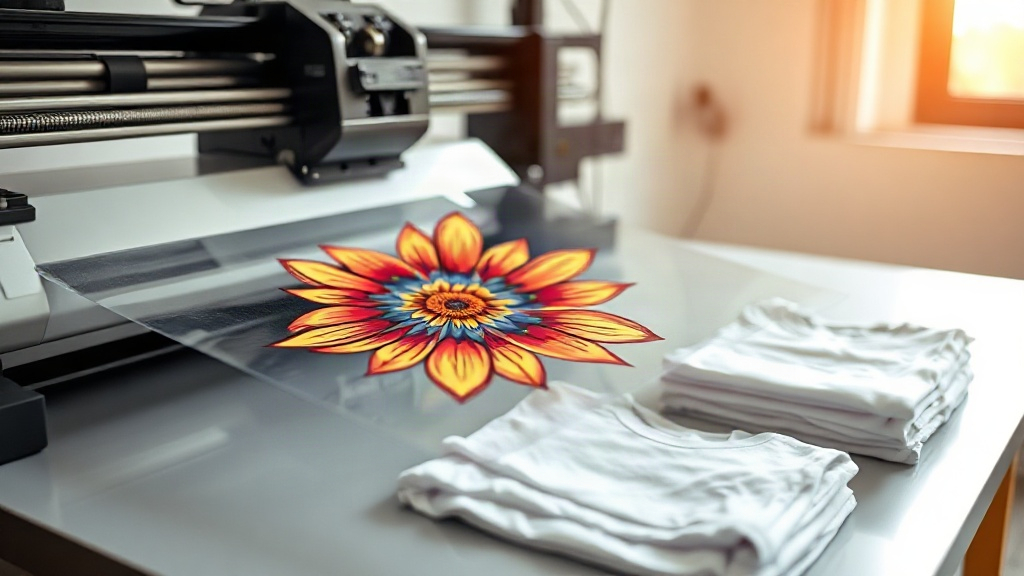
If you've been exploring custom apparel decoration, you've likely encountered the term DTF. Short for Direct-to-Film, this printing method has quickly become a favorite among hobbyists and professionals alike. Unlike traditional techniques that require specialized equipment or extensive setup, DTF offers a streamlined path to producing full-color, durable designs on a wide range of fabrics. Whether you're printing a single shirt for a friend or scaling up for a small business, understanding the ins and outs of DTF can open up new creative and commercial possibilities.
What Exactly Is DTF Printing?
DTF stands for Direct-to-Film. The process begins by printing your design onto a special PET film using a DTF printer loaded with pigment-based inks. After printing, a thermoplastic polyurethane (TPU) powder is applied to the wet ink while it's still on the film. The powder adheres to the ink, and then the film is cured, typically with a heat press or a dedicated curing oven. Once cured, the transfer is ready to be applied to a garment using a heat press. The film is peeled away, leaving the design bonded to the fabric. This method allows for intricate details, gradients, and photographic images without the constraints of color limitations or fabric types.
Why DTF Has Become So Popular
Several factors contribute to the rising popularity of DTF printing. First, it works on almost any fabric, including cotton, polyester, blends, and even leather. This versatility eliminates the need for multiple printing techniques. Second, DTF transfers are incredibly durable. When applied correctly, they withstand repeated washing without cracking, peeling, or fading. Third, the process is relatively simple and requires less equipment than other methods like screen printing or DTG. You don't need to pretreat shirts or worry about color matching, making it accessible for beginners.
Cost-Effectiveness for Small Runs
For small batches or one-off designs, DTF is often more economical than screen printing, which requires separate screens for each color. With DTF, you can print a single transfer or a full sheet, paying only for the ink and film used. This makes it ideal for print-on-demand businesses or personal projects.
Unmatched Design Flexibility
Because DTF uses CMYK plus white ink, it can reproduce millions of colors, including fine gradients and photorealistic images. There's no need to simplify your artwork or limit the color palette. This flexibility is a game-changer for artists and designers who want their work to shine on apparel.
How to Get Started with DTF Printing
If you're ready to dive into DTF, here's a step-by-step overview to help you begin.
- Choose a DTF Printer: Options range from budget-friendly converted Epson models to industrial-grade machines. Consider your volume and budget.
- Select Quality Supplies: Use reputable DTF ink, film, and powder. Inconsistent supplies can lead to poor adhesion and dull colors.
- Prepare Your Artwork: Design in a graphics program, ensuring it's mirrored if your printer requires it. Most DTF printers handle the mirroring automatically.
- Print and Powder: Print your design onto the film. While the ink is wet, apply TPU powder evenly. Shake off excess.
- Cure the Transfer: Use a heat press or curing oven to melt the powder. This step is critical for durability.
- Press onto Garment: Set your heat press to the recommended temperature and pressure, press for the specified time, then peel the film (hot or cold peel depending on the film).
Each step has nuances, but with practice, you'll develop a rhythm. Many suppliers offer starter kits that include everything you need to begin.
Common Challenges and How to Overcome Them
Even though DTF is user-friendly, beginners often face a few hurdles. Here are some common issues and their solutions.
- Faded or Dull Colors: This usually stems from insufficient ink coverage or incorrect curing. Ensure your printer is set to the correct profile and that the powder is fully melted.
- Poor Adhesion: If the transfer peels after washing, you may need to increase pressure, temperature, or dwell time during application. Also, verify that the garment is clean and free of fabric softener.
- Clogged Printheads: DTF inks contain pigments that can settle. Regular maintenance, including daily printing and cleaning cycles, prevents clogs.
- Powder Mess: TPU powder can be messy. Work in a dedicated area with a powder shaker or applicator to minimize waste and keep your workspace tidy.
Troubleshooting becomes second nature as you gain experience. Online communities and supplier resources are invaluable for quick answers.
DTF vs. Other Printing Methods
Understanding how DTF stacks up against alternatives helps you choose the right method for each project.
DTF vs. DTG
Direct-to-Garment (DTG) printing requires pretreating and works best on 100% cotton. DTF eliminates pretreatment and works on nearly any fabric. DTG can produce softer prints on cotton, but DTF offers greater durability and versatility.
DTF vs. Screen Printing
Screen printing is cost-effective for large runs of simple designs but requires setup and is limited in color complexity. DTF excels for detailed, multi-color designs and small batches, with no setup costs.
DTF vs. Vinyl
Heat transfer vinyl (HTV) is great for simple shapes and text but not for complex images. DTF handles full-color graphics with ease, making it superior for photographic designs.
Tips for Long-Lasting DTF Prints
To ensure your DTF transfers stand the test of time, follow these best practices:
- Wash garments inside out in cold water.
- Avoid fabric softener and bleach.
- Tumble dry on low or hang dry.
- Iron on the reverse side, never directly on the print.
- Store unused transfers in a cool, dry place away from direct sunlight.
These simple habits can extend the life of your prints significantly.
Frequently Asked Questions About DTF Printing
What fabrics can I use with DTF transfers?
DTF transfers adhere to a wide range of fabrics, including cotton, polyester, nylon, leather, and blends. They even work on dark and light colors without needing separate processes.
How long do DTF prints last?
When applied and cared for properly, DTF prints can last as long as the garment itself. They resist cracking, peeling, and fading through many wash cycles.
Do I need a special printer for DTF?
Yes, you need a printer that uses DTF inks and is capable of printing white ink. Many people convert Epson printers with DTF ink systems, while others invest in dedicated DTF printers.
Can I use DTF on 100% polyester?
Absolutely. DTF works exceptionally well on polyester and other synthetic fabrics, unlike DTG which requires cotton.
Is DTF printing profitable for a small business?
Yes, many small businesses thrive with DTF due to its low startup costs, versatility, and ability to produce high-quality, custom items on demand. It's a scalable solution for entrepreneurs.
Final Thoughts
DTF printing has democratized custom apparel decoration, offering professional results without the steep learning curve or hefty investment of other methods. Its compatibility with various fabrics, vibrant color reproduction, and durable output make it a standout choice. Whether you're a DIY enthusiast or a budding business owner, mastering DTF can elevate your creations and open doors to new opportunities. With the right supplies and a bit of practice, you'll be producing stunning, long-lasting prints in no time.