
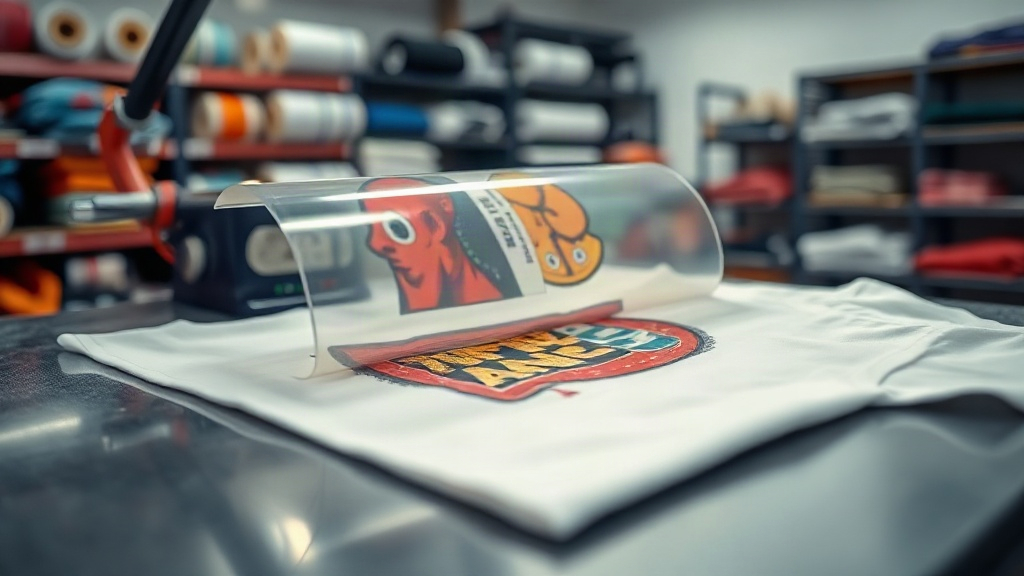
When it comes to custom apparel, DTF transfers have emerged as a game-changer for both hobbyists and professional printers. Unlike traditional methods that require weeding or specialized equipment, DTF transfers offer a streamlined approach to producing full-color designs on a wide range of fabrics. Whether you're running a small print shop or looking to personalize team uniforms, understanding DTF transfers can open up new possibilities for your creative projects.
What Are DTF Transfers?
DTF stands for Direct-to-Film. This printing technology involves printing your design onto a special PET film using water-based inks, then applying a hot-melt adhesive powder to the wet ink. After the powder is cured, the transfer is ready to be heat-pressed onto a garment. The result is a soft, stretchable, and durable print that bonds permanently to the fabric.
One of the key advantages of DTF transfers is their versatility. They can be applied to cotton, polyester, blends, and even treated nylon, making them suitable for a vast array of apparel items. Additionally, DTF transfers eliminate the need for color separation or multiple screens, allowing for intricate, photorealistic designs with gradients and fine details.
How DTF Transfers Differ from Other Printing Methods
To appreciate the value of DTF transfers, it helps to compare them with other popular decoration techniques.
DTF vs. DTG
Direct-to-Garment (DTG) printing applies ink directly onto the fabric. While DTG excels on 100% cotton, it struggles with polyester and blends. DTF transfers, on the other hand, adhere well to a broader range of materials. Plus, DTF doesn't require pre-treatment, saving time and reducing chemical use.
DTF vs. Vinyl
Heat transfer vinyl (HTV) is cut from colored sheets and weeded by hand. This method is great for simple, single-color designs but falls short for complex, multi-color graphics. DTF transfers handle full-color images effortlessly, with no weeding required, making them ideal for detailed artwork.
DTF vs. Screen Printing
Screen printing is cost-effective for large orders of simple designs but involves setup costs and is impractical for small batches or highly detailed images. DTF transfers shine in short runs and one-offs, offering vibrant colors without the hassle of screens.
The DTF Printing Process Step by Step
Understanding how DTF transfers are made can help you achieve better results. Here's a breakdown of the process:
- Design Preparation: Create your artwork in a graphics program, ensuring it's mirrored (unless your printer software handles it).
- Printing: Use a DTF printer with CMYK and white inks to print onto the PET film. The white ink layer is crucial for opacity on dark garments.
- Powder Application: While the ink is still wet, sprinkle hot-melt adhesive powder over the print. Shake off excess.
- Curing: Place the film in a curing oven or under a heat press to melt the powder. This step is critical for durability.
- Transfer: Once cooled, the transfer is ready to be applied to the fabric using a heat press.
Applying DTF Transfers: Best Practices
Getting a perfect application requires attention to temperature, pressure, and time. Here are some tried-and-true tips:
- Pre-press the garment: Remove moisture and wrinkles by pressing for a few seconds before applying the transfer.
- Set the right temperature: Typically, 300-325°F (150-160°C) works well, but always check your transfer supplier's recommendations.
- Use medium to firm pressure: Enough to embed the adhesive into the fabric without flattening the print.
- Peel while hot or cold: Most DTF transfers are cold-peel, meaning you wait until the film cools before removing it. However, some are hot-peel; verify with your supplier.
- Post-press for durability: After peeling, press again for a few seconds with a cover sheet to ensure the adhesive fully cures.
Common Challenges and How to Overcome Them
Even with a solid process, issues can arise. Here are solutions to frequent problems:
Adhesive Failure
If the transfer peels off after washing, it's likely due to insufficient powder, under-curing, or inadequate pressure during application. Ensure the powder is evenly applied and the transfer is cured according to specifications.
Color Fading
Fading can occur if the transfer is over-pressed or washed with harsh chemicals. Use gentle detergents and avoid ironing directly on the print.
Film Sticking to the Garment
This often happens if the transfer is peeled too soon. Allow the film to cool completely before peeling. If it still sticks, try a cold peel or adjust your heat press settings.
Why Choose DTF Transfers for Your Business?
For entrepreneurs and print shops, DTF transfers offer a compelling business case. The ability to produce one-off designs without minimum orders means you can cater to custom requests and small batches profitably. The durability and vibrant colors also lead to high customer satisfaction. Moreover, the process is relatively clean and doesn't require the space or chemicals of some other methods.
At dtfprintit.com, we specialize in high-quality DTF transfers that bring your designs to life. Our transfers are known for their soft feel, brilliant colors, and exceptional wash durability. Whether you're a seasoned pro or just starting, our team can help you choose the right transfers for your project.
Frequently Asked Questions About DTF Transfers
How long do DTF transfers last?
With proper application and care, DTF transfers can last as long as the garment itself. They withstand dozens of washes without cracking or fading, especially when washed inside out in cold water and air-dried.
Can I apply DTF transfers to any fabric?
DTF transfers work best on cotton, polyester, and blends. They can also be applied to nylon and leather with adjusted settings, but always test on a sample first.
Do I need a special printer for DTF transfers?
Yes, DTF requires a dedicated DTF printer with white ink capabilities. However, if you don't want to invest in equipment, you can purchase pre-printed transfers from a supplier like dtfprintit.com.
What is the difference between hot peel and cold peel DTF transfers?
Hot peel transfers are removed immediately after pressing while the film is still hot. Cold peel transfers require the film to cool completely before peeling. Each type has its own adhesive formulation; follow the supplier's instructions.
How should I store unused DTF transfers?
Store them in a cool, dry place away from direct sunlight. Keep them flat to prevent curling. Properly stored transfers can last for several months.