
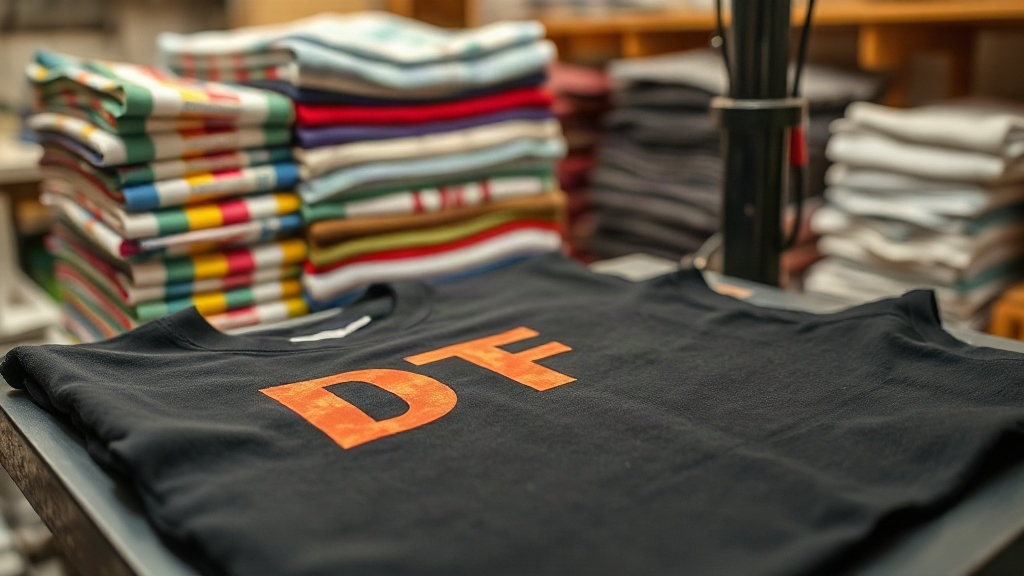
If you're in the custom apparel game, you've likely heard about DTF transfers. They've exploded in popularity for good reason: they offer vibrant colors, incredible detail, and work on a huge range of fabrics. But not all blanks are created equal, and the difference between a print that lasts and one that peels can come down to the shirt you choose. In this guide, we'll dive deep into the world of DTF printing, focusing on how to pair transfers with the best blanks, including standout brands like Shaka Wear and Smart Blanks. Whether you're a seasoned pro or just starting, you'll find actionable advice to elevate your game.
What Are DTF Transfers and Why They Matter
DTF stands for Direct to Film. It's a printing method where your design is printed onto a special film, coated with adhesive powder, and then heat-pressed onto fabric. Unlike DTG (Direct to Garment), DTF doesn't require pre-treatment and works on almost any material, including cotton, polyester, blends, and even nylon. The result is a soft, stretchable print that can handle intricate details and bright whites without sacrificing comfort.
Why does this matter? Because DTF opens up a world of possibilities for custom apparel. You can print on dark colors without a white underbase, achieve photo-realistic gradients, and produce small batches economically. But to get the most out of DTF, you need to understand how it interacts with different blanks.
Choosing the Right Blank for DTF Transfers
Not all blanks are DTF-friendly. The fabric content, weave, and finish all play a role in how well the transfer adheres and how long it lasts. Here's what to look for:
- Fabric Content: DTF works best on cotton and cotton-poly blends. 100% polyester can work, but you may need to adjust temperature and pressure to avoid dye migration. Nylon and other synthetics require lower temperatures and careful testing.
- Weave and Texture: Smooth, tight weaves provide the best surface for adhesion. Rough or heavily textured fabrics (like some fleece) may require extra pressure and can result in a slightly textured print.
- Color: DTF transfers are opaque, so they show up well on dark colors. However, on very dark or bright backgrounds, a white underbase may still be needed for certain designs to pop.
- Washability: Blanks that are pre-shrunk and have a tight weave tend to hold up better through repeated washings.
Now, let's talk about two brands that have become go-to choices for DTF printers: Shaka Wear and Smart Blanks.
Shaka Wear: Streetwear Vibes with DTF-Friendly Fabrics
Shaka Wear has carved out a niche in the streetwear and urban fashion scene. Their blanks are known for their heavyweight cotton, relaxed fits, and that coveted vintage feel. For DTF transfers, Shaka Wear tees are a dream. The fabric is typically 100% cotton with a smooth surface, which allows the transfer to bond seamlessly. The heavier weight also means less chance of the shirt distorting during pressing.
One thing to note: Shaka Wear offers both tubular and side-seamed constructions. Tubular tees can be a bit trickier to press because they don't lay as flat, but with a good heat press and some practice, you can achieve great results. Their color range is extensive, from classic blacks and whites to trendy earth tones, giving you plenty of options for vibrant DTF prints.
Smart Blanks: Affordable and Consistent for High-Volume DTF
If you're running a high-volume shop, Smart Blanks might become your new best friend. These blanks are designed to be cost-effective without sacrificing quality. They're often 100% cotton or cotton-poly blends with a consistent weave that takes DTF transfers beautifully. The smooth surface means you rarely have to worry about the print looking patchy or uneven.
Smart Blanks are particularly popular for promotional products, event merch, and retail brands that need to keep costs down. Because they're consistently manufactured, you can expect the same results order after order. That reliability is crucial when you're producing hundreds of shirts with DTF transfers.
Step-by-Step: Applying DTF Transfers to Your Blanks
Getting a perfect DTF transfer isn't just about the blank; it's also about your technique. Here's a quick rundown of the process, with tips specific to the blanks we've discussed.
- Preheat Your Press: Set your heat press to the temperature recommended by your transfer supplier. Typically, this is around 325°F (160°C) for cotton and cotton blends. For polyester, lower to 300°F (150°C) to prevent scorching.
- Pre-Press the Garment: This removes moisture and wrinkles. Give it a quick press for 5-10 seconds. For Shaka Wear's heavier fabrics, you might need a few extra seconds to ensure it's completely flat.
- Position the Transfer: Place the DTF transfer face down on the garment. Use medium pressure. For Smart Blanks, medium pressure works well; for Shaka Wear, you might need slightly more pressure due to the heavier weight.
- Press: Press for 15-20 seconds. Avoid over-pressing, as this can cause the adhesive to bleed or the print to become stiff.
- Peel: DTF transfers are typically cold peel. Wait a few seconds until the film is cool to the touch, then peel it off in a smooth, continuous motion. If you peel too hot, the design may stretch or smudge.
- Post-Press (Optional): For extra durability, you can cover the design with a Teflon sheet or parchment paper and press for another 5-10 seconds. This helps the adhesive fully cure.
Remember, every heat press is different, so always do a test print on a scrap piece of fabric before running a full order.
Common DTF Problems and How to Fix Them
Even with the best blanks, issues can arise. Here are some common problems and their solutions:
- Peeling After Wash: This usually means the transfer wasn't pressed long enough or with enough pressure. Increase dwell time and pressure, and ensure the fabric is completely dry before pressing.
- Cracking: Cracking can occur if the transfer is stretched too much during peeling or if the garment is over-stretched. Try peeling at a cooler temperature and avoid stretching the fabric.
- Dull Colors: If your colors look muted, you might be pressing at too high a temperature, causing the ink to scorch. Lower the temperature and check your transfer's recommended settings.
- Adhesive Residue: If you see a sticky residue around the design, you're likely using too much pressure. Reduce pressure and ensure the transfer is properly aligned.
For Shaka Wear and Smart Blanks, these issues are rare if you follow the guidelines. But it's always smart to keep a log of your settings for each blank type so you can replicate success.
Why DTF Transfers Are a Game-Changer for Custom Apparel
The versatility of DTF transfers cannot be overstated. They allow you to print on demand without the setup costs of screen printing, and they work on fabrics that other methods can't touch. For small businesses and crafters, this means you can offer a wider range of products without a huge investment.
Moreover, DTF transfers are incredibly durable when applied correctly. They can withstand dozens of washes without fading or cracking, making them a great choice for workwear, sports jerseys, and everyday apparel. Pair them with quality blanks like Shaka Wear and Smart Blanks, and you're setting yourself up for customer satisfaction.
Frequently Asked Questions About DTF Transfers
Can I use DTF transfers on 100% polyester shirts?
Yes, but with caution. Polyester requires lower temperatures (around 280-300°F) and lighter pressure to avoid dye migration. Always test first, as some polyesters may still cause the transfer to look dull. Using a poly-friendly transfer or a blocker sheet can help.
How do I wash a shirt with a DTF transfer?
Turn the garment inside out and wash in cold water with mild detergent. Avoid fabric softeners and bleach. Tumble dry on low or hang dry. Following these steps will maximize the life of your DTF print.
What's the difference between DTF and DTG?
DTG (Direct to Garment) prints directly onto the fabric and requires pre-treatment for dark shirts. DTF involves printing onto a film and transferring it. DTF works on more fabric types and often produces more vibrant colors on dark garments, while DTG is better for very fine details on 100% cotton.
Do I need a special heat press for DTF transfers?
No, any heat press that can reach the required temperature and pressure will work. However, a press with a digital timer and temperature control is recommended for consistency. Clamshell presses are fine, but swing-away presses are often preferred for even pressure.
Can I layer DTF transfers?
Yes, you can layer DTF transfers, but it's tricky. You'll need to press the first transfer, then the second on top, adjusting pressure and time to avoid flattening the first layer. It's generally easier to design your artwork with all elements in one transfer.
With the right knowledge and the right blanks, DTF transfers can take your custom apparel to the next level. Whether you're printing on Shaka Wear for a streetwear brand or Smart Blanks for a corporate order, the key is to test, adjust, and perfect your process. Happy printing!