
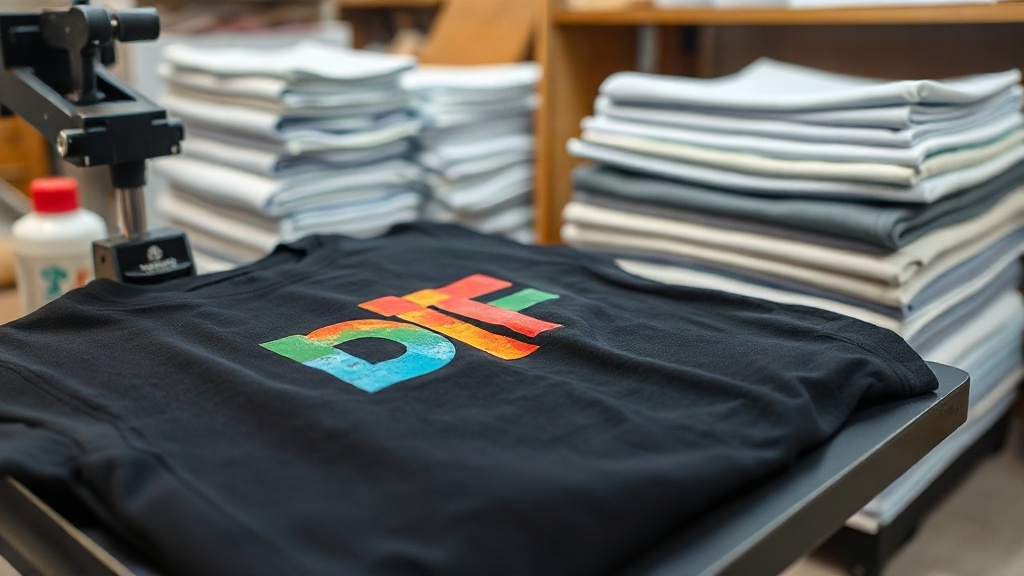
If you've been in the custom apparel game for any length of time, you've likely heard the buzz around DTF transfers. Maybe you're a small business owner looking to offer custom tees, a hobbyist wanting to press your own designs, or a print shop exploring new decoration methods. Whatever your situation, understanding DTF (Direct to Film) technology can open up a world of possibilities for vibrant, durable prints on a wide range of fabrics. In this guide, we'll break down everything you need to know about DTF transfers, from how they work to why they might be the perfect fit for your next project. We'll also touch on choosing the right blanks, including popular options from Shaka Wear and Smart Blanks, to ensure your finished product looks professional and stands the test of time.
What Are DTF Transfers?
DTF transfers are a relatively new printing method that involves printing a design onto a special film, coating it with a powder adhesive, and then heat-pressing it onto a garment. Unlike DTG (Direct to Garment) printing, which prints directly onto the fabric, DTF transfers allow you to print on a wide variety of materials, including cotton, polyester, blends, and even nylon. The process starts with a digital printer that uses CMYK plus white ink to create the design on a PET film. After printing, a powdered hot-melt adhesive is applied to the wet ink, and the film is cured. The result is a transfer that can be stored and used later, making it a versatile option for on-demand production.
The DTF Printing Process Step by Step
To give you a clearer picture, here's a breakdown of the DTF transfer process:
- Design Preparation: Your artwork is prepared in a RIP software, which mirrors the image and adds a white ink layer underneath the colors.
- Printing: The design is printed onto a special film using a DTF printer with white ink and CMYK inks.
- Powdering: While the ink is still wet, a thermoplastic powder is sprinkled over the print. The excess powder is shaken off.
- Curing: The film is heated to melt the powder, creating a flexible adhesive layer.
- Transfer: The film is placed on the garment and heat-pressed. After cooling, the film is peeled away, leaving the design bonded to the fabric.
This multi-step process might sound complex, but once you have the right equipment, it becomes second nature. The beauty of DTF is that it eliminates the need for weeding, cutting, or pre-treating, which are common in other methods like vinyl or DTG.
Why Choose DTF Transfers Over Other Methods?
There are several reasons why DTF transfers have gained popularity among print shops and DIY enthusiasts alike. Let's explore the key advantages.
1. Versatility Across Fabrics
One of the biggest selling points of DTF is its ability to adhere to a wide range of fabrics. Whether you're working with 100% cotton, polyester, cotton-poly blends, or even stretchy materials like spandex, DTF transfers can handle it. This is a significant advantage over DTG, which typically requires 100% cotton for best results, or vinyl, which can be tricky on stretchy fabrics.
2. Vibrant Colors and Fine Details
DTF transfers produce incredibly vibrant colors and sharp details. Because the design is printed with white ink as a base, the colors pop even on dark garments. The process also allows for gradients, fine lines, and photographic images without the limitations of screen printing or vinyl. If you need a design with lots of colors or intricate details, DTF is an excellent choice.
3. Durability and Washability
When applied correctly, DTF transfers are highly durable. They can withstand numerous washes without fading, cracking, or peeling. The adhesive powder creates a strong bond with the fabric, ensuring the print stays put. However, proper care is essential: washing inside out in cold water and avoiding harsh detergents will extend the life of the print.
4. Cost-Effective for Small Batches
Unlike screen printing, which requires separate screens for each color and becomes cost-effective only at higher quantities, DTF transfers are economical for small runs. You can print one-off designs or small batches without the setup costs. This makes DTF ideal for custom orders, samples, or personal projects.
5. No Weeding or Cutting Required
If you've ever spent hours weeding vinyl, you'll appreciate that DTF transfers come ready to press. There's no need for cutting machines or manual weeding, which saves time and reduces waste. This streamlined workflow is a game-changer for busy shops.
Choosing the Right Blanks for DTF Transfers
The success of your DTF transfer project also depends on the garment you're pressing onto. Not all blanks are created equal, and some are better suited for DTF than others. Let's look at two popular brands: Shaka Wear and Smart Blanks.
Shaka Wear: Streetwear-Ready Blanks
Shaka Wear is known for its high-quality, heavyweight cotton tees that have a premium feel. Their garments are popular in streetwear and urban fashion, making them an excellent canvas for DTF transfers. The tight knit and smooth surface of Shaka Wear tees allow for excellent ink adhesion and a smooth finish. If you're targeting customers who value durability and a trendy look, Shaka Wear is a solid choice.
Smart Blanks: Affordable and Reliable
Smart Blanks offers a range of budget-friendly apparel that doesn't compromise on quality. Their tees and hoodies are soft, comfortable, and take DTF transfers well. For businesses looking to offer custom apparel at competitive prices, Smart Blanks provides a reliable option. The consistent fabric quality ensures that your transfers will look great and last long.
How to Apply DTF Transfers: Best Practices
Getting a professional-looking result with DTF transfers requires attention to detail. Here are some best practices to follow:
- Pre-press the garment: This removes moisture and wrinkles, ensuring a smooth surface for the transfer.
- Use the right temperature and pressure: Typically, 325°F for 15 seconds with medium pressure works well, but always check the transfer supplier's recommendations.
- Peel correctly: DTF transfers can be peeled hot or cold, depending on the film. Most are cold peel, so let the transfer cool completely before peeling for best results.
- Post-press for durability: After peeling, press again for a few seconds to ensure the adhesive fully bonds.
Following these steps will help you achieve consistent, wash-durable prints.
Common Challenges and How to Overcome Them
While DTF is relatively straightforward, you might encounter some issues. Here are a few common problems and solutions:
- Insufficient adhesion: This can happen if the powder isn't cured properly or if the press temperature is too low. Increase curing time or temperature.
- Color fading after wash: Ensure you're using quality inks and powder, and follow proper washing instructions.
- Film curling: Store films flat in a cool, dry place to prevent curling.
With a bit of practice, you'll be able to troubleshoot these issues quickly.
Frequently Asked Questions About DTF Transfers
Can DTF transfers be applied to 100% polyester?
Yes, DTF transfers work well on 100% polyester. However, because polyester is heat-sensitive, you should use a lower temperature (around 300°F) and press for a shorter time to avoid scorching. Always test on a scrap piece first.
How long do DTF transfers last?
With proper application and care, DTF transfers can last as long as the garment itself. They are resistant to cracking, peeling, and fading. Washing inside out in cold water and avoiding bleach will maximize longevity.
Do I need a special printer for DTF?
Yes, DTF requires a dedicated DTF printer that uses pigment inks and white ink. You can also purchase pre-printed transfers from suppliers if you don't want to invest in a printer.
What is the difference between DTF and DTG?
DTG prints directly onto the garment, while DTF prints onto a film that is then transferred. DTF is more versatile across fabrics and doesn't require pre-treatment, but DTG can be more cost-effective for 100% cotton in higher volumes.
Can I use DTF transfers on dark colors?
Absolutely. DTF transfers include a white ink base that allows colors to show vibrantly on dark fabrics. This is one of the key advantages over other methods.
Whether you're just starting out or looking to expand your decoration options, DTF transfers offer a flexible, durable, and cost-effective solution. By choosing quality blanks like Shaka Wear and Smart Blanks, and following best practices, you can create custom apparel that your customers will love. So why not give DTF a try? Your next project might just be your best yet.