
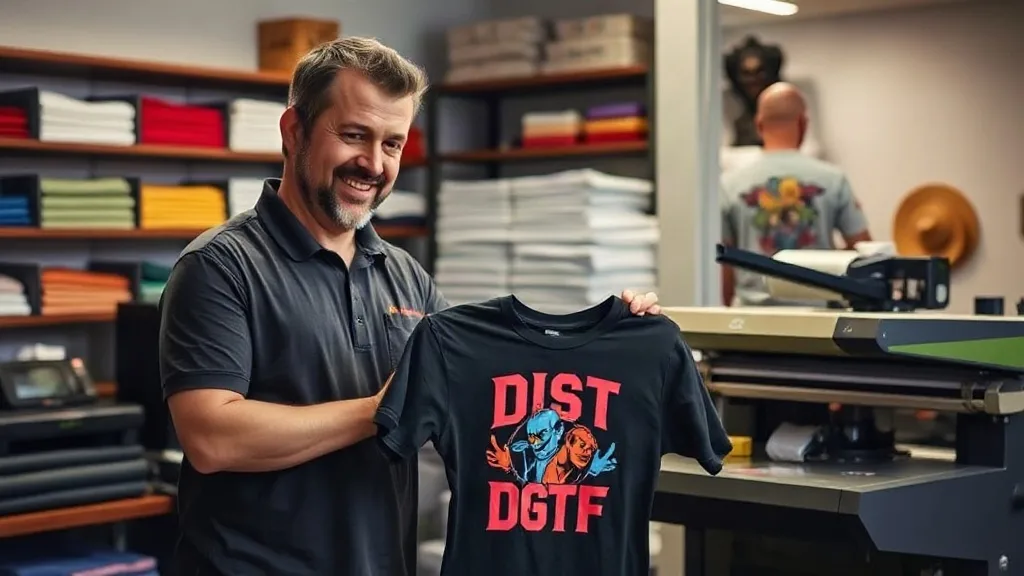
If you run a printing business, you're always looking for ways to stand out and offer services that keep customers coming back. DTF transfers have become a game-changer for many print shops, allowing them to print vibrant, durable designs on a wide range of fabrics without the hassle of traditional screen printing. But how can you use this technology to actually grow your business? In this guide, we'll explore practical strategies to integrate DTF printing into your operations, market it effectively, and maximize your profits.
Why DTF Transfers Are a Smart Addition to Your Service Menu
DTF, or direct-to-film, printing has gained popularity because it offers flexibility and cost-efficiency. Unlike other methods, DTF transfers allow you to print on cotton, polyester, blends, and even hard-to-print fabrics like nylon and canvas. This means you can cater to a broader clientele, from sports teams needing polyester jerseys to fashion brands wanting detailed designs on cotton tees.
Moreover, the process is relatively simple: designs are printed onto a special film, coated with adhesive powder, and then heat-pressed onto the garment. This eliminates the need for cutting and weeding vinyl, saving time and reducing waste. For a small business, that's a significant advantage.
Marketing Your DTF Services to Attract New Customers
Having DTF capabilities is one thing; letting people know about them is another. Here's how to get the word out and attract clients who need dtf transfers near me.
Optimize Your Online Presence
Start by updating your website and social media profiles to highlight DTF printing. Create a dedicated page explaining the benefits of dtf transfers and showcase a gallery of finished products. Use high-quality images that demonstrate the detail and vibrancy of DTF prints. Also, include keywords like "DTF printing service" and "custom DTF transfers" to improve your search engine ranking.
Don't forget to claim your Google My Business listing and encourage satisfied customers to leave reviews. When potential clients search for dtf transfers near me, you want your business to appear at the top.
Leverage Social Media and Local Outreach
Platforms like Instagram and Facebook are perfect for showcasing your work. Post behind-the-scenes videos of the DTF process, share customer testimonials, and run targeted ads to reach local businesses, schools, and sports teams. Consider offering a discount for first-time customers to entice them to try your service.
Networking with local businesses can also pay off. Partner with embroidery shops, promotional product companies, or event organizers who might need custom apparel. Leave samples of your DTF prints so they can feel the quality.
Pricing Strategies for Profitability
Setting the right price for your DTF transfers is crucial. You need to cover costs (film, ink, powder, labor) and still make a profit. A good approach is to calculate your cost per print and then apply a markup. For example, if your cost is $2 per transfer and you sell it for $8, you have a healthy margin.
Consider offering volume discounts to encourage larger orders. Many customers appreciate tiered pricing, such as $8 per transfer for 1-10, $7 for 11-50, and $6 for 51+. This incentivizes bigger purchases and helps you move inventory faster.
Also, be transparent about your pricing. Provide quotes that include design setup (if applicable) and any additional services like garment sourcing. Hidden fees can deter repeat business.
Streamlining Your Workflow for Efficiency
To handle increased orders, you'll need an efficient workflow. Invest in a reliable DTF printer and a heat press that can handle continuous use. Organize your workspace so that printing, powdering, and pressing stations are logically arranged to minimize movement.
Use a order management system to track jobs and deadlines. Batch similar jobs together to save time. For instance, print all designs for a particular client on the same film sheet if possible. Also, keep a inventory of blank garments in popular sizes and colors to offer quick turnaround.
Training your staff is equally important. Ensure everyone knows the proper techniques for weeding, powdering, and pressing to avoid mistakes that waste materials.
Expanding Your Product Offerings
DTF isn't just for t-shirts. You can print on tote bags, hats, aprons, pillowcases, and more. By diversifying your product range, you attract customers who might not need apparel but still want custom items. For example, a local café might order custom aprons for its staff, or a school might order tote bags for a fundraiser.
Experiment with different fabrics and items to see what works best. Keep samples on hand to show customers the possibilities.
Building Long-Term Relationships with Clients
Repeat business is the lifeblood of any print shop. Go the extra mile to build loyalty. Offer a quick turnaround, respond promptly to inquiries, and provide helpful advice on design and fabric choices. A simple thank-you note or a small discount on their next order can go a long way.
Encourage feedback and act on it. If a customer suggests a new product idea, consider adding it to your lineup. Showing that you value their input strengthens the relationship.
Frequently Asked Questions
What is the difference between DTF and DTG printing?
DTF (direct-to-film) involves printing on a film that is then transferred to the garment, while DTG (direct-to-garment) prints directly onto the fabric. DTF works on more fabric types and often produces more durable results on polyester.
How do I find reliable suppliers for DTF film and powder?
Look for reputable suppliers online or attend trade shows to compare products. Read reviews and test samples to ensure quality. Building a relationship with a supplier can lead to better pricing and support.
Can I use DTF transfers on dark-colored shirts?
Yes, DTF transfers work well on dark fabrics because the white ink layer in the film provides a bright base for the colors. Just ensure you use the correct pressing parameters.
What is the typical turnaround time for DTF orders?
Turnaround depends on order size and your workflow. For small orders, you can often complete them within 24-48 hours. Communicate clearly with customers to manage expectations.
How should I store DTF transfers before pressing?
Store them in a cool, dry place away from direct sunlight. Keep them flat to avoid creasing. Proper storage ensures the adhesive powder remains effective.